Micro-engagements are more important than virality because they represent active intent and brand loyalty. While virality offers a temporary spike in visibility, micro-interactions—like saves, shares, and comments—build a sustainable community, improve algorithm rankings, and drive actual sales by fostering trust and long-term audience retention rather than just passive views.
Every business owner dreams of that one “viral moment.” You know the one: you post a video, you wake up the next morning, and your notifications are exploding. Millions of views, thousands of likes, and people talking about you across the globe. It feels like you’ve finally “made it.”
But here is the cold, hard truth from the experts at eMarketters: Virality is often a flash in the pan. It’s a sprint that leaves you breathless but doesn’t necessarily get you to the finish line of profitability.
If you want to build a brand that lasts, you need to look past the “Big Bang” of virality and focus on the “Small Sparks”—micro-engagements. As a leading social media marketing company in Lucknow understands that the secret to growth isn’t being seen by everyone once; it’s being seen by the right people often.
In this guide, we will dive deep into why micro-engagements are the true backbone of a modern content strategy and how they lead to better audience retention and brand growth.
The Scroll-Stopping Science: How We Really Use Social Media
To understand why micro-engagements matter, we first have to look at how the human brain works in the digital age. Most people spend about 2.5 hours a day on social media. During that time, they are scrolling—fast.
The human attention span has dropped significantly. We are now in an era where you have less than three seconds to catch someone’s eye.
When a post goes viral, it usually happens because it’s entertaining, shocking, or funny. People watch it, maybe they chuckle, and then they keep scrolling. This is passive consumption. It’s like seeing a billboard while driving at 100 km/h. You saw it, but did you connect with it?
Micro-engagements, on the other hand, require a “stop.” When someone pauses to leave a comment or save your post for later, they are moving from passive browsing to active participation. This small shift in behavior changes the way the brain remembers your brand. These tiny interactions are what signal to the algorithm that your content isn’t just “noise”—it’s valuable.
What Are Micro-Engagements?
Before we go further, let’s define what we are talking about. In the world of social media engagement, not all clicks are created equal.
Micro-engagements are the small, frequent actions users take that show they are paying attention. These include:
-
Likes: The simplest form of “I see you and I agree.”
-
Comments: A direct conversation between the brand and the user.
-
Shares/Reposts: A digital “word-of-mouth” recommendation.
-
Saves: The ultimate compliment. It means, “This is so good, I want to see it again.”
-
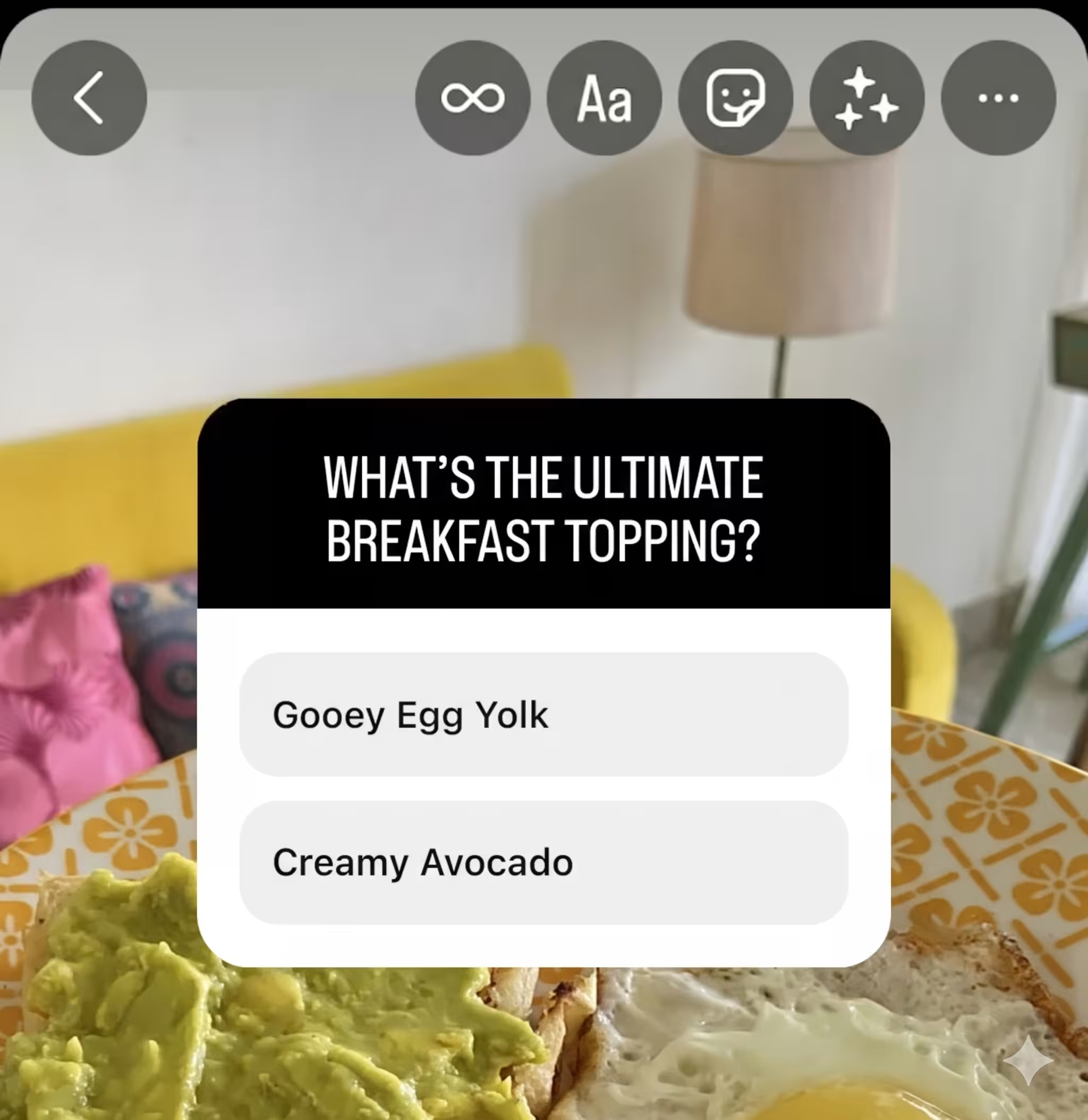
Poll Votes/Slider Interactions: Quick ways for users to give their opinion.
-
DM Inquiries: When a user takes the time to ask a private question.
While a viral video might get 1 million views, it might only get 100 saves. Conversely, a helpful tip-based post might only get 5,000 views but 500 saves. A social media marketing company focuses on the latter because those 500 people are significantly more likely to become paying customers.
Real Brands. Real Wins.
Let’s look at a real-world example of how micro-engagement beats virality.
Imagine a local boutique furniture store. They decide to try two different approaches:
-
The Viral Attempt: They post a funny video of a staff member falling off a chair. It gets 500,000 views because people like “fail” videos. However, 99% of those viewers live in different countries and have no intention of buying furniture.
-
The Micro-Engagement Approach: They post a “How to Choose the Right Sofa for Small Apartments” carousel. It gets 2,000 views. But, it gets 150 saves and 40 comments asking about prices and fabric types.
Which one helped the business more? The second one.
Case Study: The “Common Ground” Bakery
A small bakery we observed focused entirely on replying to every single comment. They didn’t have high-production videos. They just used Instagram Stories to ask their followers, “Which flavor should we bake tomorrow: Blueberry or Lemon?”
By involving their audience in the decision-making process (a micro-engagement), they built a loyal community. When they finally launched the Lemon cake, it sold out in two hours. They didn’t need a viral video; they needed a loyal group of people who felt like they were part of the brand’s journey.
Less Hype. More Habit.
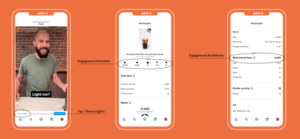
Virality is a spike; consistency is a heartbeat.
One of the biggest problems with viral content is that it creates “one-hit wonders.” If you gain 10,000 followers from a viral meme, those people followed you for the meme—not for your brand. When you post your regular business content the next day, they won’t engage, and the algorithm will stop showing your posts to everyone.
This is why audience retention is so much more important than reach.
By focusing on micro-engagements, you are building a habit. You want your audience to get used to seeing you, used to clicking your polls, and used to reading your captions. This builds trust over time. In marketing, we often say it takes 7 to 10 “touches” before someone is ready to buy. Micro-engagements are those touches.
Micro-Engagements vs. Virality: What Actually Drives Growth?
To help you visualize the difference, here is a comparison of how these two forces affect your business:
| Feature | Virality | Micro-Engagements |
| Primary Goal | Massive Reach (Ego Metric) | Relationship Building (ROI Metric) |
| Audience Type | Random Strangers | Potential Customers & Fans |
| Algorithm Impact | Short-term explosion | Long-term authority & stability |
| Conversion Rate | Usually Very Low | High (Warm Leads) |
| Predictability | Luck-based / Random | Strategy-based / Consistent |
| Brand Perception | “I’ve seen them somewhere.” | “I know, like, and trust them.” |
As you can see, while virality is great for “awareness,” micro-engagements are what drive digital marketing trends toward actual sales and sustainability.
So What Should You Do About It?
If you are ready to stop chasing the “viral ghost” and start building a real community, here is your roadmap:
1. Create Relatable, “Saveable” Content
Stop trying to be “perfect” and start being helpful. People save content that teaches them something, inspires them, or solves a problem. Tips, checklists, and “how-to” guides are micro-engagement magnets.
2. The 80/20 Rule of Captions
80% of your caption should be about the user, and 20% should be about you. End your captions with a clear Call to Engagement (CTE). Instead of saying “Buy our shoes,” ask “Where would you wear these shoes this weekend? Tell us in the comments!”
3. Use the “Sticker” Strategy
On platforms like Instagram and Facebook, use interactive stickers like Polls, Quizzes, and Question boxes. These are the easiest way to get a user to move their thumb and interact with your brand.
4. Talk Back
Social media is a two-way street. If someone leaves a comment, reply to it. If someone sends a DM, answer it. When you interact back, you turn a “user” into a “fan.”
How eMarketters Does It
At eMarketters, we don’t just post photos and hope for the best. Our approach is rooted in data and human psychology. As a premier social media marketing company in Lucknow takes the following steps to ensure our clients see real growth:
-
Deep Audience Research: We find out what your customers actually care about so we can create content they want to “Save” and “Share.”
-
Engagement-First Campaigns: We design posts specifically to spark conversations. We value a comment thread of 20 people talking about your product more than 20,000 silent views.
-
Data-Driven Adjustments: We monitor engagement rates closely. If a certain type of post gets a lot of “Saves,” we double down on that topic.
-
Community Management: We help brands stay human by managing interactions and ensuring no customer question goes unanswered.
Our goal is to turn your social media pages into a thriving community hub, not just a digital billboard.
Tips to Increase Micro-Engagements on Social Media
Looking for quick ways to boost your numbers? Try these:
-
Ask for Advice: People love giving their opinions. Ask them to help you choose a color for a new product or a topic for your next blog.
-
Use “Tag a Friend” Prompts: Create content that is so relatable that people feel the need to share it with someone they know.
-
Post Content That “Nods”: Create memes or quotes that make people say, “That is so me!” These get high shares and likes.
-
Be Consistent with Timing: Post when your audience is most active. Use your insights tool to find that “sweet spot.”
-
Humanize the Brand: Show the faces behind the company. People engage with people, not logos.
FAQs
1. What are micro-engagements in social media?
Micro-engagements are small interactions such as likes, comments, shares, saves, and poll votes. Unlike total views (which are passive), these actions show that the user is actively interested in your content.
2. Why is engagement more important than views?
Views only tell you that a post appeared on someone’s screen. Engagement tells you that the person actually processed the information and cared enough to react. High engagement builds trust and leads to higher sales conversions.
3. Do viral posts help long-term growth?
They can provide a temporary boost in followers, but unless those followers are your target audience, they often become “ghost followers” who never engage again, which can actually hurt your reach in the long run.
4. How can brands increase engagement?
Brands can increase engagement by asking questions in captions, using interactive stickers in stories, replying to every comment, and creating content that is genuinely helpful or relatable.
5. What is a good engagement rate?
A “good” engagement rate varies by platform, but generally, anything between 1% and 5% is considered healthy. For smaller accounts, the rate is usually higher because the community is more tight-knit.
6. Is consistency more important than virality?
Yes. Consistency builds a habit in your audience and keeps you at the top of their minds. It also teaches the algorithm to show your content to your followers regularly.
Conclusion: Focus on the People, Not the Numbers
In the fast-paced world of digital marketing, it is easy to get distracted by “vanity metrics” like millions of views. But remember: you can’t take “views” to the bank. You take customers to the bank.
Micro-engagements are the building blocks of customer loyalty. They are the small conversations that lead to big contracts. By focusing on creating value for your audience and encouraging them to interact with you, you are building a brand that can survive any algorithm change.
If you are looking for social media marketing, we are here to help you navigate this journey. We specialize in creating strategies that don’t just chase trends but build lasting connections.
Want to grow your brand with real engagement instead of just views?
Stop gambling on virality and start investing in a strategy that works. Partner with eMarketters — a results-driven social media marketing company in Lucknow that focuses on meaningful growth, real conversations, and a better bottom line.
[Contact eMarketters Today – Let’s Build Your Community Together!]